
Program Mentors

EMSUR Track: Population Health
Research Interests: Our lab investigates the psychiatric and psychological factors associated with addiction, within a biopsychosocial framework, including distal (e.g., ACEs; personality traits) and proximal (e.g., relationship difficulties; stressors) risk factors for substance use, physical and psychopathological comorbidity (e.g., depression; sleep problems), and consequences of substance use (e.g., suicidal behavior), with emphasis on understanding malleable, strengths-based clinical factors (e.g., motivation; problem-solving) that can be targeted for intervention. In addition, we are interested in interpersonal (e.g., connectedness), psychosocial, and sociocultural (e.g., ethnicity) contributors to, or buffers against, problematic substance use, including factors responsible for facilitating and maintaining engagement in treatment (e.g., health beliefs and values). Finally, we often explore the associations between these factors as they occur in vulnerable populations (e.g., veterans; chronic illness), and often focus on positive psychiatric/psychological factors (e.g., forgiveness; gratitude) that might protect against addictive behavior and its sequelae.

EMSUR Track: Preclinical Basic Science
Research Interests: Mental illnesses including substance use disorders affect millions, yet developing effective medications remains highly challenging, with low success rates (~ 6%). A major barrier is the lack of reliable biomarkers that objectively measure how drugs impact brain function. Our lab uses electroencephalography (EEG) to study real-time neural circuit activity. We focus on how substance use acutely disrupts sensory processing in the brain and how these changes can be normalized through novel pharmacological treatments. By identifying measurable brain-based signatures of dysfunction, we aim to improve the translation of discoveries from preclinical models to clinical care.
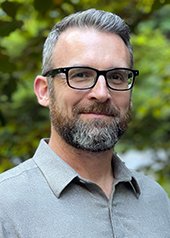
EMSUR Track: Population Health
Research Interests: Dr. Brooks is a faculty member in Biostatistics and Epidemiology at East Tennessee State University whose work focuses on substance use, overdose prevention, and harm reduction. His research integrates community partnerships and applied public health practice across the southeastern United States. He mentors MPH and DrPH students in research and professional development, supporting student scholarship, dissertation work, and publishable projects. His teaching and service emphasize applied learning, critical thinking, and translating research into practice to improve population health.

EMSUR Track: Preclinical Basic Science
Research Interests: Our lab investigates the neurobiological underpinnings of PTSD and alcohol use disorder (AUD) comorbidity using preclinical rodent models, addressing a critical health issue for Veterans. We explore how stress and chronic alcohol disrupt extinction memory plasticity in the infralimbic cortex and evaluate promising interventions, including psilocybin and mGlu5 receptor modulators, to promote synaptic plasticity, fear extinction, and reduced alcohol-seeking. Our research integrates behavioral models with advanced neuroscience techniques such as fiber photometry, optogenetics, TRAP methodology for neuronal ensembles, and dendritic spine analysis, with a key focus on sex differences as a biological variable. Our goal is to uncover novel mechanisms and therapeutic targets to improve treatment outcomes and quality of life for individuals with co-occurring PTSD and AUD.
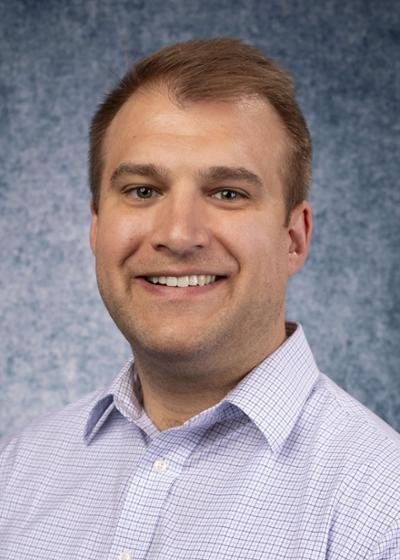
EMSUR Track: Preclinical Basic Science
Research Interests: The main goal of our laboratory is to bridge the gap between alcohol use disorder (AUD) and alcohol-associated liver disease (ALD) research. This project in particular would focus on identifying peripheral mechanisms along the gut-liver-brain axis that regulate alcohol consumption in AUD. Utilizing behavioral assays, pharmacological interventions, and real-time measurement of food/water/alcohol consumption in preclinical mouse models of AUD, we hope to uncover novel peripheral targets for AUD treatment.

EMSUR Track: Preclinical Basic Science
Research Interests: Our lab is developing a novel microneedle patch to improve treatment of overdoses involving fentanyl contaminated with xylazine. Because naloxone does not reverse xylazine’s effects, we are testing a combination approach that delivers both naloxone and atipamezole to better counteract polysubstance overdoses. This work aims to create a practical, easy-to-use intervention that could help first responders and save lives.

EMSUR Track: Preclinical Basic Science
Research Interests: Our lab studies the neurobiology of addiction and withdrawal using preclinical rodent models of drug dependence. We combine behavioral assays, neuropharmacology, chemogenetics, and radio-telemetric sleep monitoring to investigate the neural circuits underlying polysubstance use. Our goal is to better understand the motivational drivers of addiction and identify therapeutic targets that reduce craving and relapse risk.

EMSUR Track: Population Health
Research Interests: Recovery support, community-based prevention, justice involved adults with substance use disorder, peer recovery support, and opioid use/substance use prevention. Dr. Hagaman provides oversight for all research and community-based initiatives within the Addiction Science Center in collaboration with Dr. Robert Pack, ETSU Executive Vice Provost. She leads a team of four full-time staff, two graduate research assistants, and provides research mentorship to six faculty within the ETSU Trail Guide Research Program and the TN Opioid Abatement Behavioral Health Workforce project.

EMSUR Track: Population Health
Research Interests: Adverse childhood experiences, risk factors and consequences to early initiation substance use, addictive behaviors (e.g. gambling, illicit drug use), polysubstance use, substance/addiction among U.S. Military Veterans, substance use and suicidal behaviors, and intergenerational/sibling substance use. We focus on the epidemiology of substance use to better understand risk and protective factors that lead to targeted interventions at the sub-population level.

EMSUR Track: Population Health
Research Interests: I am a psychological scientist investigating nonpharmacological treatments for addiction, addressing trauma and addiction in rural Appalachia and Scotland, and exploring ways to mobilize the faith community to address addiction, neonatal abstinence syndrome (NAS), and mental health challenges. My lab is currently investigating whether understanding the neurobiology of trauma can reduce stigma toward substance users, whether participating in joint activities can reduce stigma between the faith community and substance users, whether the NET Device can be used in our area, and the similarities and differences between addiction, treatment, and recovery in Appalachia and Scotland.
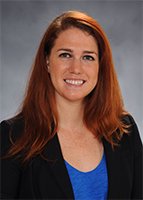
EMSUR Track: Population Health
Research Interests: Organizational Theory and the application of mixed methods research to evaluate health care access and public health systems, with a focus on collaborative opportunities between researchers and community partners. Dr. Beatty works in the Center for Applied Research and Evaluation in Women’s Health as well as the Center for Rural Health Research. Both centers are heavily focused on assessing access disparities in local and regional public health and health care delivery. Currently in the Center for Applied Research and Evaluation in Women’s Health, Dr. Beatty is leading a mixed-methods research project evaluating access to contraceptive care and clinic-level characteristics, policies, and practices impacts on contraceptive service provision Dr. Beatty is also developing a future project which would help validate a scale to help clinics measure their successes and opportunities in patients’’ access to contraceptive services. In the Center for Rural Health Research, Dr. Beatty’s work has looked at mental health stigma in rural communities and the role of grandparents as caregivers as it relates to SUD. Dr. Beatty mentors early-career researchers and students at all levels.

EMSUR Track: Preclinical Basic Science
Research Interests: Our laboratory investigates the mechanisms by which substance use impairs cardiovascular health using advanced preclinical approaches. We focus on understanding how substance use contributes to cardiac dysfunction by evaluating changes in cardiac function, including both systolic and diastolic parameters, as well as molecular signaling pathways that drive maladaptive cardiac remodeling and injury. By integrating functional cardiac assessments with mechanistic studies, we aim to elucidate how substance use promotes cardiovascular disease development. This work aims to identify novel therapeutic targets and preventive strategies that translate preclinical findings into improved cardiovascular health outcomes.